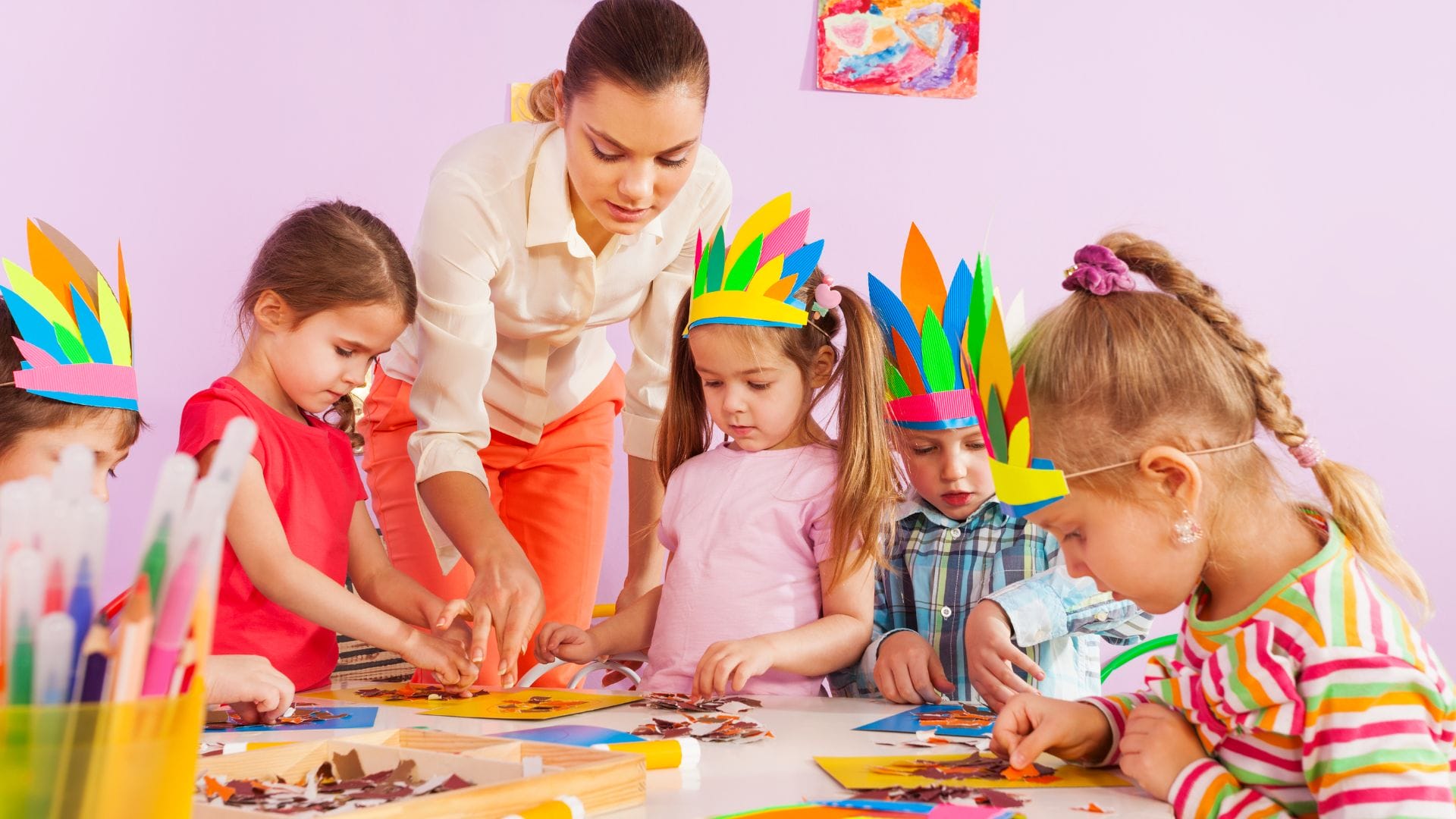
Enrolling your child in a nursery is an exciting milestone, marking the beginning of their educational journey. Nursery schools provide a nurturing and stimulating environment that supports early childhood development in numerous ways. More than just a place for play, a well-structured nursery fosters essential skills that lay the foundation for future learning, emotional intelligence, and social interactions. At Gillingham Nursery, we take pride in creating an enriching space where children thrive. Below, we delve into the top five skills your child will develop in nursery and explore how each one contributes to their growth and long-term success.
1. Social Skills: Learning to Interact with Others
One of the most significant benefits of nursery education is the opportunity for children to develop their social skills. In this vibrant, interactive setting, children engage with their peers and teachers, learning valuable lessons about relationships and cooperation. By participating in group activities, they understand the importance of teamwork, respect, and patience. Some of the key social skills children develop include:
Sharing and taking turns, fostering fairness and cooperation
Communicating needs and feelings effectively, which reduces frustration
Developing empathy and understanding others’ emotions through observation and experience
Forming friendships and working as part of a team, preparing them for future school settings
Through structured play, group storytelling, and role-playing exercises, children gradually learn how to navigate the social world, equipping them with the tools they need to form meaningful relationships throughout their lives.
2. Emotional Development: Building Confidence and Independence
Nursery provides a safe and encouraging environment where children develop emotional resilience and a strong sense of self. Early childhood can be filled with new and sometimes overwhelming experiences, and nursery helps children manage these emotions in a positive way. Emotional development includes:
Adjusting to being away from parents or caregivers and feeling secure in a new environment
Building self-confidence by mastering small tasks independently
Learning how to express emotions in a healthy and constructive manner
Developing coping mechanisms for new experiences, including handling disappointments and setbacks
Through supportive guidance from nursery staff, children gain the ability to regulate their emotions, which is crucial for handling future challenges with resilience and optimism. Small achievements, such as completing a puzzle or learning to zip up a jacket, foster a growing sense of independence and pride in their own abilities.

3. Cognitive Growth: Enhancing Problem-Solving and Critical Thinking
The early years are a crucial time for cognitive development, and nursery plays a pivotal role in stimulating young minds. Engaging children in diverse learning experiences helps them develop problem-solving abilities and critical thinking skills that will benefit them throughout their academic journey. Some ways nursery supports cognitive growth include:
Encouraging problem-solving through puzzles, building blocks, and logical games
Enhancing memory and concentration through storytelling and music-based activities
Introducing basic math and literacy concepts in a fun and engaging way
Stimulating creativity and imagination through role-playing, art, and exploratory play
Children are naturally curious, and nursery provides them with opportunities to ask questions, explore new ideas, and make connections between different concepts. Whether they are sorting shapes, counting objects, or engaging in hands-on science experiments, their cognitive skills are constantly being strengthened in ways that feel like play but have lasting educational benefits.
4. Communication and Language Skills: Encouraging Self-Expression
Language development is an essential aspect of early childhood education. At nursery, children are immersed in a language-rich environment that fosters strong communication skills. Through daily interactions, structured activities, and storytelling, they learn to express themselves more clearly and confidently. Key aspects of communication development in nursery include:
Expanding vocabulary by listening to stories, songs, and conversations
Improving listening and comprehension skills through interactive storytelling and discussions
Practicing verbal communication by asking questions, describing objects, and narrating their experiences
Learning to follow instructions, which enhances their ability to process and retain information
A child who is confident in their ability to express themselves is more likely to engage with others, participate in group activities, and feel comfortable voicing their thoughts and emotions. Nursery provides a supportive space where every child is encouraged to find their voice and use it effectively.

5. Motor Skills: Refining Coordination and Physical Abilities
Physical development is a fundamental part of early learning, and nursery offers a variety of activities to help children strengthen both fine and gross motor skills. Movement-based play is integrated into daily routines to ensure children are constantly developing their physical abilities. Some of the ways nursery supports motor skill development include:
Enhancing fine motor skills through activities like drawing, cutting with safety scissors, and threading beads
Strengthening gross motor skills with outdoor play, climbing, running, and balancing exercises
Developing hand-eye coordination through activities such as throwing and catching a ball
Improving spatial awareness and body control through dance, yoga, and movement games
Physical development is closely linked to cognitive and social growth. A child who is confident in their physical abilities is more likely to engage in activities that promote learning, exploration, and collaboration with peers.
Conclusion
Nursery is much more than a place for children to spend time while their parents work; it is a crucial stepping stone in their overall development. By fostering social, emotional, cognitive, language, and motor skills, nursery lays the foundation for a lifetime of learning and success. At The Gillingham Nursery, we are dedicated to providing a supportive and stimulating environment where children can explore, grow, and thrive.
If you’re considering enrolling your child in a nursery, we warmly invite you to visit The Gillingham Nursery. Experience firsthand how our carefully designed curriculum, engaging activities, and passionate educators create a nurturing space where children flourish. Contact us today to schedule a tour or learn more about our programs. Together, we can help your child build the essential skills they need for a bright and promising future.